
Introduction
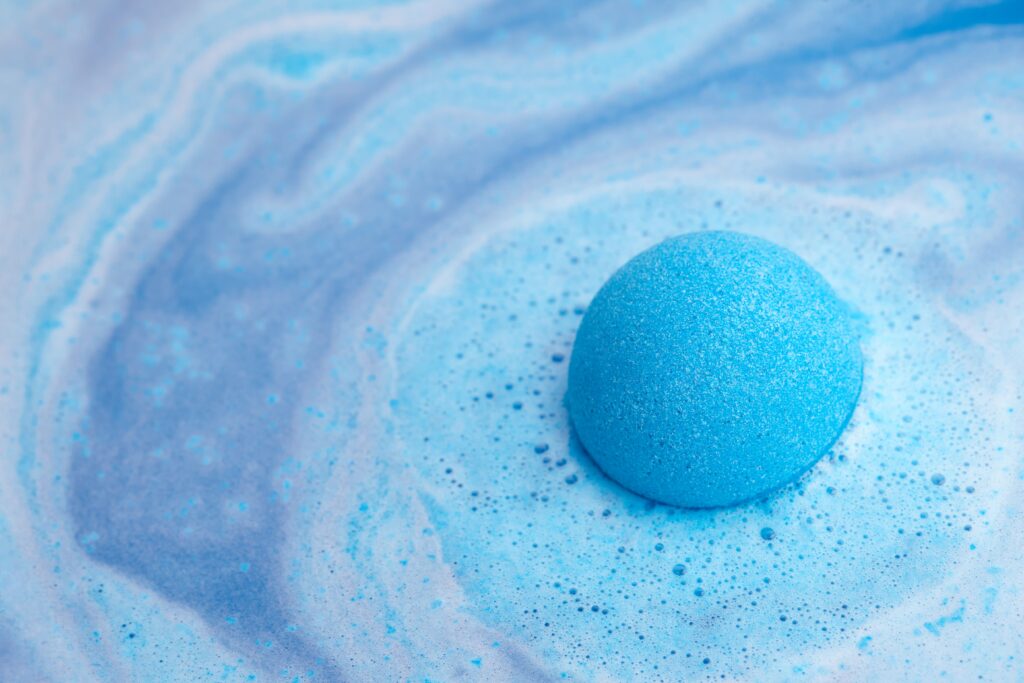
There’s something magical about dropping a bath bomb into warm water and watching it fizz, swirl, and release a burst of colors and aromas. For many, bath bombs have become a self-care staple—transforming a simple soak into a spa-like experience at home. But beyond the pretty colors and soothing scents, an important question remains: Are bath bombs actually good for your skin?
The answer isn’t black and white. While bath bombs can offer real skincare benefits thanks to nourishing ingredients, they can also cause irritation depending on their formulation. To understand this balance, let’s take a closer look at what bath bombs are made of, how they work, and what science says about their effects on your skin.
What Exactly Are Bath Bombs?

Bath bombs are compact, sphere-shaped products made from a blend of baking soda (sodium bicarbonate), citric acid, and various additives like essential oils, fragrances, colorants, and skin-softening ingredients. When they hit the water, the baking soda and citric acid react, creating that iconic fizzing effect while releasing all the infused ingredients into your bath.
The fizz is fun, but the added elements—like moisturizers, essential oils, and botanical extracts—are what truly determine whether a bath bomb benefits your skin or not.
The Core Ingredients: Skin Effects
Let’s break down the most common bath bomb ingredients and their potential impact on your skin:
1. Baking Soda (Sodium Bicarbonate)
Acts as a natural skin softener.
Helps remove dead skin cells through gentle exfoliation.
Can leave skin feeling smoother after a soak.
2. Citric Acid
Creates the fizzing reaction.
May help brighten skin by gently exfoliating.
Too much, however, can disrupt your skin’s natural pH balance, leading to dryness or irritation.
3. Essential Oils
Popular choices like lavender, eucalyptus, or rose oil provide aromatherapy benefits.
Many oils have soothing, anti-inflammatory, or antibacterial properties.
But certain oils may irritate sensitive skin if used in high concentrations.
4. Moisturizers (Shea Butter, Cocoa Butter, Coconut Oil)
Hydrate and nourish the skin.
Form a protective barrier that locks in moisture, reducing dryness after a bath.
5. Colorants and Fragrances
Make bath bombs visually appealing and fragrant.
However, artificial dyes and synthetic fragrances are common culprits behind skin irritation.
The Potential Benefits of Bath Bombs for Skin
When made with skin-friendly, natural ingredients, bath bombs can offer several benefits:
Moisturization: Oils and butters help keep your skin hydrated and soft.
Relaxation: Aromatherapy can lower stress, which indirectly benefits skin health.
Exfoliation: Baking soda and citric acid may promote smoother, brighter-looking skin.
Soothing Properties: Certain ingredients like oatmeal or chamomile can calm sensitive or irritated skin.
Luxury and Ritual: Beyond physical benefits, the ritual of a bath can improve mental well-being, which is closely tied to skin health.
The Risks: When Bath Bombs Aren’t Skin-Friendly
Not all bath bombs are created equal. Some can have adverse effects on the skin depending on the ingredients used.
Dryness or Irritation: High levels of citric acid or baking soda may strip natural oils.
Allergic Reactions: Artificial colors, glitter, and synthetic fragrances can trigger rashes or itching.
pH Disruption: Harsh formulations may alter skin’s pH, leaving it more vulnerable to breakouts or infection.
Sensitive Areas: Ingredients in bath bombs can sometimes upset the natural balance of sensitive areas, leading to discomfort.
The Science Behind the Fizz and Your Skin
The fizzing reaction is primarily chemical—a harmless release of carbon dioxide as baking soda and citric acid react in water. While this doesn’t directly affect your skin, it acts as a delivery system, dispersing beneficial ingredients evenly throughout the bathwater.
Think of the fizz as the “carrier,” and the oils, butters, and extracts as the “active ingredients” your skin actually absorbs. So whether or not a bath bomb is “good” for your skin really depends on what’s being delivered through that fizz.
Tips for Choosing Skin-Friendly Bath Bombs
If you want to enjoy bath bombs without compromising your skin health, here’s what to look for:
Natural Colorants: Opt for bombs colored with clays, herbs, or plant-based powders instead of synthetic dyes.
Essential Oils Over Synthetic Fragrance: These are gentler and often more beneficial.
Added Moisturizers: Look for shea butter, cocoa butter, or coconut oil.
No Glitter: Glitter looks fun but can irritate the skin.
Hypoallergenic Options: Especially if you have sensitive skin, seek gentle formulas.
Check Labels: Transparent brands list all ingredients clearly.
Are Bath Bombs Good for All Skin Types?
Dry Skin: Beneficial if they contain oils and butters.
Oily Skin: Can still be helpful, but avoid overly oily formulations.
Sensitive Skin: Choose unscented, dye-free bath bombs with soothing ingredients like oatmeal.
Acne-Prone Skin: Use caution—too much oil or harsh fragrance can worsen breakouts.
How Often Should You Use Bath Bombs?
Occasional use of bath bombs is generally the safest approach for maintaining healthy skin. Enjoying a weekly soak can be a wonderful way to relax, unwind, and indulge in self-care, allowing your skin to absorb the beneficial oils, moisturizers, and soothing compounds without overexposure. However, daily use—particularly of bath bombs containing synthetic fragrances, dyes, or other harsh additives—can increase the likelihood of irritation, dryness, or even allergic reactions. Over time, these ingredients may strip the skin of its natural oils, disrupt its pH balance, or exacerbate sensitivity, especially in those with already delicate or reactive skin. By limiting bath bomb use to a few times per week, you allow your skin to reap the hydrating and therapeutic benefits while minimizing potential adverse effects, ensuring that your bathing routine remains both enjoyable and skin-friendly.
Also Read: The Rise of Luxury Bath Bombs: Turning Your Tub into a Spa
Conclusion
So, are bath bombs good for your skin? They can be—if you choose wisely. Bath bombs with natural, nourishing ingredients like shea butter, coconut oil, and essential oils may hydrate, soothe, and brighten your skin. However, those loaded with artificial dyes, fragrances, and glitter may do more harm than good.
The fizz itself isn’t the benefit—it’s the carrier. What really matters is what’s inside. By making mindful choices, you can turn your bath into a luxurious, skin-friendly ritual that supports both your body and mind.