

Bath bombs have gained immense popularity over the years for their ability to transform a regular bath into a luxurious and relaxing experience. With their vibrant colors, soothing scents, and skin-nourishing ingredients, they have become a go-to item for self-care. However, for individuals with sensitive skin, choosing the right bath bomb is crucial to avoid irritation, rashes, or discomfort. This is where skinny bath bombs come into play.
In this blog post, we will explore whether skinny bath bombs are safe for people with sensitive skin, what ingredients to look for, and the best practices for using them to ensure a soothing, irritation-free experience.
What Are Skinny Bath Bombs?
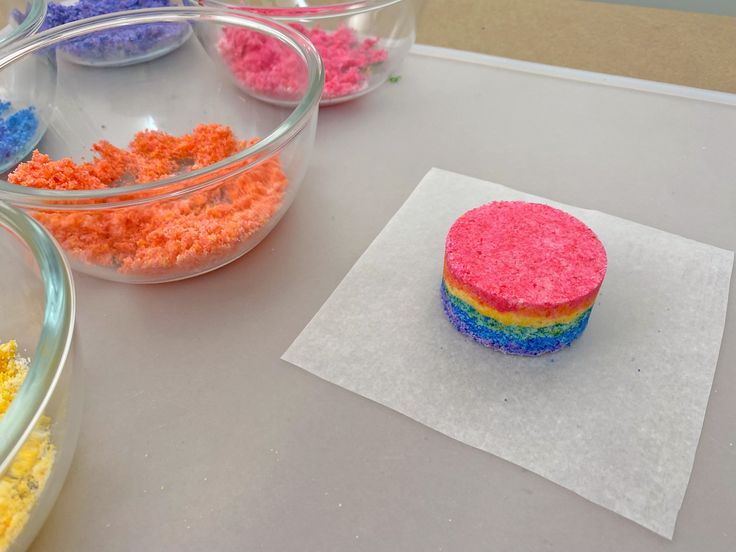
Skinny bath bombs are a variation of the traditional bath bomb, but with a focus on natural ingredients, detoxification, and skin care benefits. These bath bombs are designed to offer a healthier alternative, often free of harsh chemicals, artificial fragrances, and synthetic dyes. They are formulated with essential oils, Epsom salts, and nourishing botanicals to provide a relaxing and rejuvenating bath experience without compromising the health of your skin.
The appeal of skinny bath bombs lies in their cleaner formulations, which aim to deliver the same luxurious bath experience without the added artificial ingredients that can cause skin irritation. But are they truly safe for people with sensitive skin? Let’s break it down.
Are Skinny Bath Bombs Safe for Sensitive Skin?
When it comes to sensitive skin, it’s important to understand the ingredients and how they interact with the skin. Sensitive skin can react negatively to strong fragrances, dyes, and certain chemicals, which are common in many commercial bath products. However, skinny bath bombs, with their emphasis on natural ingredients, may offer a safer alternative. Let’s look at some of the factors that make skinny bath bombs a good option for sensitive skin:
1. Gentler Ingredients
Many skinny bath bombs are crafted with natural and soothing ingredients such as essential oils, Epsom salts, sodium bicarbonate, and botanical extracts. These ingredients are often milder on the skin compared to synthetic fragrances, preservatives, and colors found in conventional bath products.
For example, lavender oil, a common ingredient in skinny bath bombs, is known for its soothing properties and is often used to calm skin irritation. Chamomile extract is another ingredient that can help reduce redness and inflammation, making it ideal for sensitive skin types.
2. No Harsh Chemicals
One of the main concerns with traditional bath bombs is the presence of synthetic chemicals that can irritate sensitive skin. Many commercial bath bombs contain artificial fragrances, colorants, and preservatives that can trigger allergic reactions, redness, and rashes. Skinny bath bombs are typically free from these harsh chemicals, making them a safer option for individuals with sensitivities.
3. Hydrating and Moisturizing
Skinny bath bombs often contain ingredients such as coconut oil, shea butter, and almond oil, which are known for their hydrating and moisturizing benefits. These ingredients help replenish the skin’s natural moisture barrier, which is especially important for people with sensitive or dry skin. The gentle moisturizing effect of skinny bath bombs can help prevent the skin from becoming too dry or irritated during and after the bath.
4. Detoxifying Benefits
Many skinny bath bombs are designed to offer detoxification benefits by using ingredients like Epsom salts and baking soda. These ingredients help draw out toxins from the skin and promote relaxation without causing irritation. For sensitive skin, the detoxifying properties of these natural ingredients can be particularly soothing, helping to calm the skin and reduce inflammation.
Potential Concerns for Sensitive Skin
While skinny bath bombs are generally safer for sensitive skin compared to their traditional counterparts, there are still some factors to consider. It’s essential to keep in mind that every individual’s skin is different, and some people may have allergies or sensitivities to even natural ingredients. Here are a few things to be mindful of:
1. Essential Oils
While essential oils can offer therapeutic benefits, they can also cause irritation for certain skin types. Some individuals with sensitive skin may be allergic to specific essential oils, such as citrus oils or peppermint oil. It’s important to check the ingredients list of the skinny bath bombs you’re using and avoid any oils that may trigger a reaction.
If you have sensitive skin, it’s best to choose bath bombs that use gentle oils like lavender, chamomile, or rose. These oils are generally well-tolerated by most people with sensitive skin and offer soothing properties.
2. Sodium Bicarbonate (Baking Soda)
Sodium bicarbonate, or baking soda, is a common ingredient in many bath bombs. While it can help soften the water and promote relaxation, it can sometimes cause dryness or irritation in sensitive individuals, especially if the skin is already prone to dryness or conditions like eczema. If you find that your skin feels dry or irritated after using a bath bomb with baking soda, try using a product that is free from this ingredient or contains moisturizing elements like coconut oil or shea butter.
3. Allergies to Botanicals
Even though skinny bath bombs are often free from synthetic fragrances, they may still contain botanical extracts that could cause allergic reactions. For example, flower extracts like jasmine or rose may not be suitable for everyone. It’s always a good idea to perform a patch test before using any new bath product. Apply a small amount of the bath bomb mixture to your skin and wait 24 hours to see if any redness, itching, or irritation occurs.
4. Overuse of Bath Bombs
While it’s tempting to indulge in a relaxing bath regularly, using bath bombs too frequently can potentially irritate sensitive skin. Overuse of any bath product—especially one with essential oils, Epsom salts, or strong scents—can lead to dryness or sensitivity. For sensitive skin, it’s best to limit the use of bath bombs to once or twice a week to prevent skin irritation.
Tips for Using Skinny Bath Bombs Safely
If you have sensitive skin but still want to enjoy the benefits of skinny bath bombs, here are some tips to ensure a safe and enjoyable experience:
1. Choose Gentle Ingredients
Look for skinny bath bombs that contain mild, natural ingredients and avoid products with harsh chemicals, artificial colors, and synthetic fragrances. Opt for bath bombs with calming essential oils like lavender, chamomile, or sandalwood.
2. Do a Patch Test
Before using a new bath bomb, perform a patch test to ensure your skin won’t react negatively. Apply a small amount of the product to your inner arm or wrist, wait 24 hours, and check for any signs of irritation.
3. Use in Moderation
Don’t overuse bath bombs, especially if you have sensitive skin. Limit your use to once or twice a week and be mindful of how your skin reacts after each bath.
4. Hydrate After Your Bath
After enjoying your bath, apply a moisturizer to keep your skin hydrated. This will help lock in moisture and prevent any potential dryness caused by the bath bomb ingredients.
Read Also : A Beginner’s Guide to Using Bath Bombs for Relaxation
Conclusion
Skinny bath bombs can be a great option for those with sensitive skin, offering a more natural and gentle alternative to traditional bath products. By selecting bath bombs with soothing ingredients like essential oils, coconut oil, and Epsom salts, you can enhance your self-care routine without worrying about skin irritation. However, it’s important to be cautious and always do a patch test to avoid any allergic reactions or sensitivities.
By following these simple steps and choosing products specifically designed for sensitive skin, you can enjoy the therapeutic benefits of skinny bath bombs while keeping your skin safe and nourished.